Loading...
Serving Tracy, CA and surrounding areas. (209) 699-5861
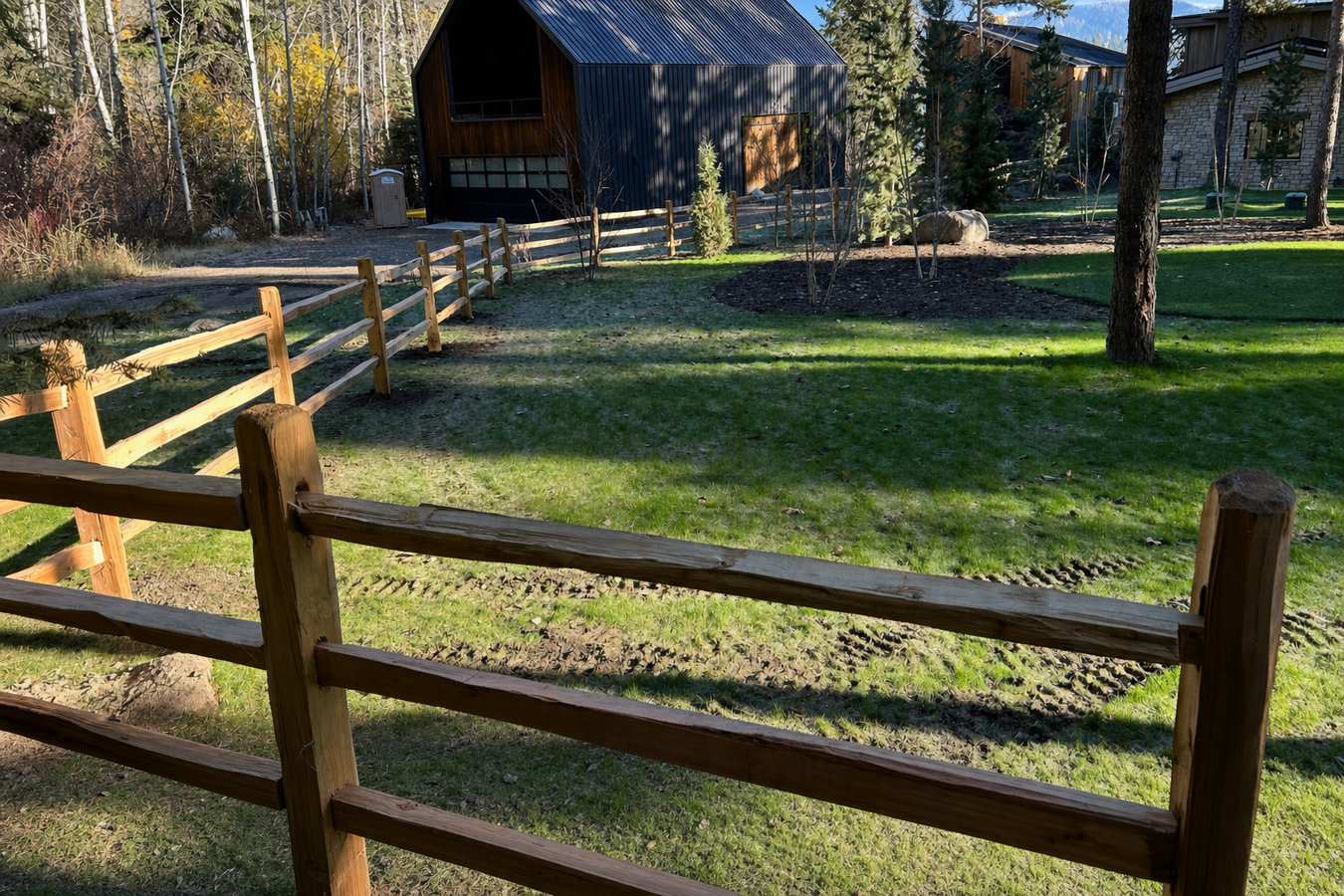
From barbed wire perimeters to horse-safe post-and-rail, we install and repair farm fencing built for San Joaquin Valley soil and climate conditions.
Farm and ranch fencing in Tracy covers perimeter fencing to keep livestock in, cross-fencing to divide pastures, and boundary lines to separate your property from roads and neighbors - most small-parcel installations are completed in one to three days, with larger or more complex properties taking longer.
Parcels on the edges of Tracy range from two to twenty acres, and the owners manage everything from horses and goats to chickens and small row crops. Farm and ranch fencing in Tracy is not a one-size-fits-all job - the right material depends on the animals you are managing, the terrain you are working with, and the soil conditions under every post. Those conditions matter a lot here, where clay-heavy ground moves with the seasons and puts real stress on posts that were not set with that movement in mind.
If you also need fencing to keep dogs or other pets contained within a yard area, our pet and dog fencing service can handle that alongside the larger perimeter project.
If posts are tilting away from vertical - especially at corners or along long straight runs - they were either not set deep enough or the soil has shifted around them. In Tracy's clay-heavy ground, this is common after a wet winter followed by a dry summer. A leaning post will not fix itself, and a section that fails can let livestock out before you notice.
Wire that hangs loose between posts has lost its tension - typically from years of weathering and gradual soil movement. Once wire sags low enough, smaller animals can push under it or larger animals can lean through it. Widespread sagging is also a sign the fence system is aging and may need more than a spot repair.
A gate that drags on the ground, will not close fully, or has a latch that no longer catches is a daily frustration and a real security risk. Gates take more wear than any other part of a farm fence, and hardware failure is one of the first signs a fence system is due for attention.
If you are bringing horses, goats, or cattle onto a property that was fenced for something else, the existing fence may not be appropriate. Different animals require different fence heights, wire spacing, and post strength. What worked as a garden boundary will not contain a horse, and a fence sized for cattle may not stop a small goat.
We install barbed wire, woven wire, high-tensile smooth wire, wood post-and-rail, and pipe or tube steel - each suited to different animals, budgets, and property sizes. Barbed wire is the most practical choice for large acreage where cost per linear foot is the primary consideration. Woven wire and high-tensile options are better for properties with smaller animals, and pipe steel is the longest-lasting option for horse operations and high-use areas. For property owners who also need an access gate wide enough for tractors or implements, gate sizing is part of every estimate conversation - we ask about your equipment before recommending an opening width. If your project also includes chain-link for specific areas like chicken runs or storage perimeters, our chain link fence installation service covers those applications.
Every farm fencing project starts with a site walk - not a phone call estimate. Terrain, soil conditions, existing obstacles, and access routes all affect the final plan and the price. We give you a written breakdown by material, labor, gates, and any corner bracing before work starts. If you also need containment fencing specifically designed for dogs or smaller pets in a yard area adjacent to the pasture, our pet and dog fencing options can be coordinated alongside the larger project to save a second mobilization.
Best for large acreage and cattle operations where cost per linear foot is the main constraint and high visibility is not required.
A good fit for mixed livestock or horse-adjacent areas where you need a fence that contains animals without sharp edges that can cause injury.
Suited to horse properties and parcels where a traditional look matters alongside containment, and budget allows for a higher-end material.
The longest-lasting option for high-use areas - corrals, loading areas, and horse properties that need a fence that will not flex or fail under pressure.
Tracy sits at the edge of productive agricultural land, and the surrounding area has seen steady growth in small agricultural parcels - typically two to twenty acres - used for horses, goats, chickens, and small-scale farming. That means local fence contractors are experienced with hobby farm owners, not just large commercial ranches. It also means demand is high enough that booking lead times can stretch several weeks during spring, when ground conditions are at their best for installation. Tracy and the surrounding area also sit near the Altamont Pass corridor, where strong seasonal winds are common in spring and fall. Open parcels get exposed to lateral wind pressure that, over time, racks fence lines and leans posts if corner bracing is not done properly from the start.
We work with landowners across the region, including those in Ripon and Turlock. Whether you are fencing a new parcel for the first time or replacing a fence line that has shifted over the years of wet-dry soil cycles, we walk your property before giving you a number - and the estimate you get reflects your actual land, not a generic per-foot price.
We will ask a few basic questions - acreage, animals you are managing, whether there is existing fence, and what your main goal is. This helps us show up to your property with the right equipment and a realistic sense of the job. You do not need to have all the answers - just describe what you are working with.
We walk your property before giving you a price. We check terrain, look for irrigation lines or trees near the fence line, assess soil conditions, and measure total footage. After the walk, you get a written estimate that breaks down cost by material, labor, and any gate or corner work - not a single lump-sum number.
Depending on where your fence will run, a San Joaquin County permit may be required. If so, we handle the application - this typically adds a week or two before work can begin. On your end, livestock need to be moved away from the work area and vehicle access along the fence line needs to be clear.
The crew sets corner and end posts first - the anchors for the whole system - then line posts, wire, and gates. On a straightforward property, a small crew covers several hundred feet per day. Once the fence is complete, we walk it with you to check gate hardware, corner bracing, and wire tension before leaving.
We walk your property, measure every run, and give you a written breakdown - no obligation and we reply within one business day.
(209) 699-5861One of the most common frustrations landowners have with contractors is a price that grows after the work begins. We walk your property, measure every run, and give you a written breakdown that covers materials, labor, gates, and corner bracing before a single post goes in. No surprises on the final invoice.
Tracy's clay soil expands in wet winters and contracts in dry summers, putting constant stress on fence posts that are not set deep enough. We account for local soil conditions on every installation - deeper holes, proper concrete around corner and end posts - so your fence holds straight through the full cycle of San Joaquin Valley seasons.
Tracy's semi-rural edges have a significant share of two-to-twenty-acre parcels used for horses, goats, and small-scale farming. We work on these properties regularly and understand what different livestock actually require from a fence - the right wire spacing, the right post height, the right gate hardware for daily use.
Agricultural fencing near roads, waterways, or property boundaries in San Joaquin County can require a permit before work begins. We know the county requirements and handle the application when it is needed - so your project starts legally and on schedule without you spending hours on hold with the county office.
A well-built farm fence protects your animals, defines your boundaries, and holds its value over decades of Valley weather. The UC Agriculture and Natural Resources cooperative extension publishes research-based guidance on livestock fencing for Central Valley conditions, and the San Joaquin County Development Services office handles permits for agricultural fencing in this area.
Yard containment fencing for dogs and pets - sized and gapped to match your specific animals and yard layout.
Learn MoreDurable chain-link fencing for large perimeters and agricultural applications where cost per foot matters.
Learn MoreGround conditions are best in late winter and early spring. Call today or submit a request and we will be in touch within one business day.